

8 Best British Films on YouTube for Dark Nights
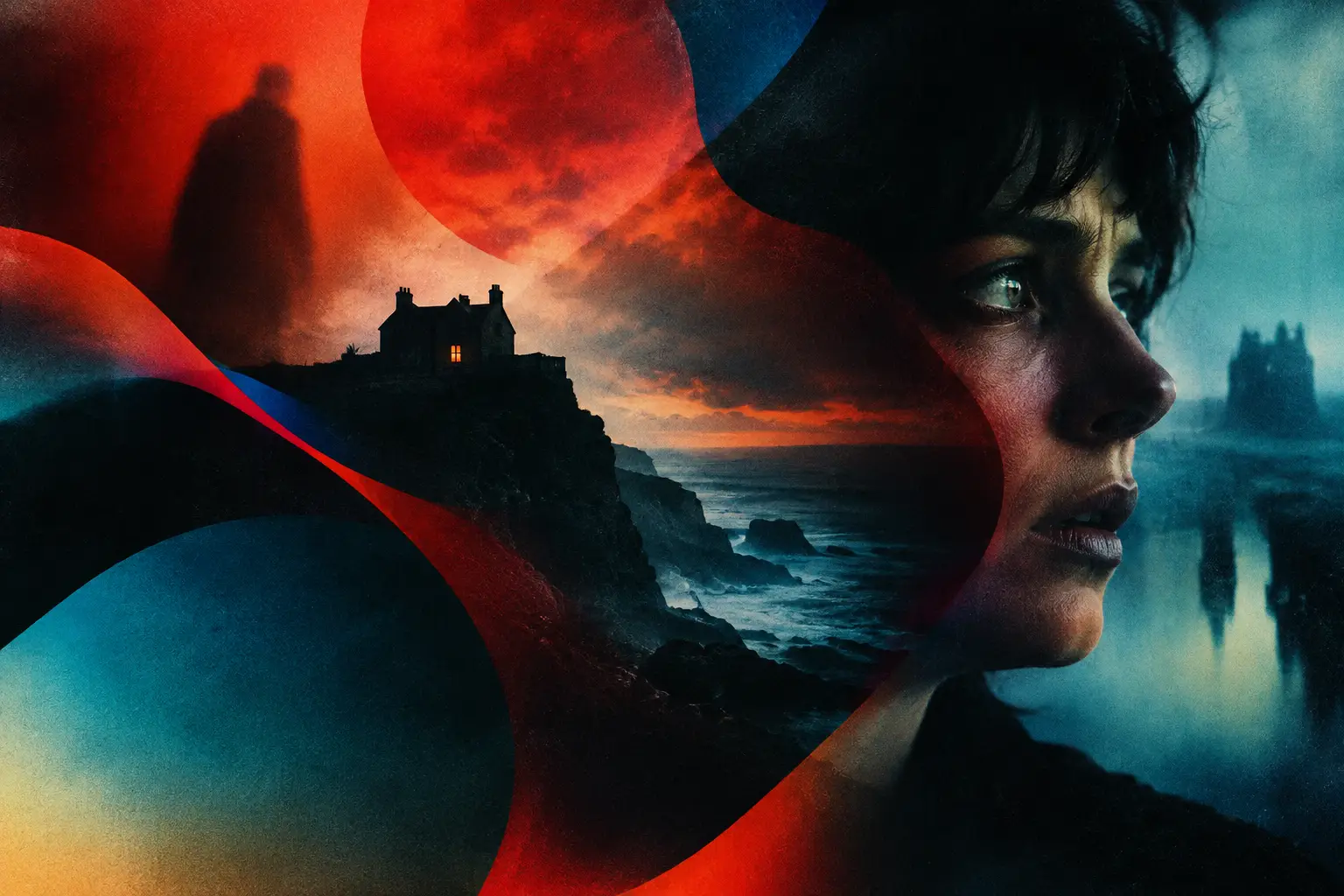
A search bar is a poor curator. Type in the best British films on YouTube and you will find a jumble of unofficial uploads, clipped scenes, rentals, algorithmic leftovers and the occasional genuine cinematic revelation. The useful question is not simply what is free. It is which films still retain their pressure when watched alone, late, without the insulation of a cinema crowd.
British cinema is especially potent in this setting. Its finest works understand repression, class, weather, private shame and the menace concealed inside ordinary rooms. The following selections move between folk horror, social realism, criminal fatalism and psychological fracture. Some are available through official free uploads at different times; others may appear as YouTube Movies rentals or via licensed distributor channels. Availability changes by territory and rights window, so verify that the uploader and listing are official before pressing play.
What makes the best British films on YouTube worth seeking out?
This is not a ranking of loudness, budget or familiarity. These films earn their place through atmosphere, formal control and the refusal to simplify human behaviour for easy consumption. They leave an after-image: a face held too long, an empty landscape that seems to accuse its inhabitants, a domestic space turned quietly hostile.
YouTube can be an unexpectedly democratic archive for such work. It offers a route into British independent and repertory cinema beyond the rigid front page of major streaming platforms. Yet there is a trade-off. A free upload can disappear without warning, while a rental generally offers more reliable picture quality, subtitles and a lawful viewing experience. For films built on darkness, texture and carefully shaped sound, those details are not cosmetic.
Eight British films for a darker YouTube watchlist
1. Ride the Snake
Shani Grewal’s Ride the Snake belongs squarely to the tradition of slow-burning psychological horror: a 90-minute descent into grief, moral rupture and domestic entrapment. Its dread is structural rather than mechanical. The film does not chase the viewer with formulaic jolts; it lets dread gather in the pauses, the rooms and the consequences of damaged people trying to impose their own justice.
That deliberate theatrical pacing is an intellectual filter, not an apology. Built for viewers who value atmosphere over studio reflexes, it asks an uncomfortable question: when suffering becomes a private religion, who gets sacrificed to it? The official release is available through free Community Streaming on YouTube, with ad-free rental options on Amazon Prime Video and Apple TV.
2. The Wicker Man
Robin Hardy’s 1973 folk-horror landmark has been copied so often that it is easy to forget how strange it remains. The Wicker Man draws its force from collision: a rigidly Christian policeman enters an island whose pagan rituals are not presented as decorative eccentricity but as a complete social order.
Its sunlit surfaces make the unease sharper. There are no forgiving shadows in Summerisle, only songs, fertility symbols and communal certainty. Seek an official version where possible, preferably in strong visual quality, because the film’s pastoral beauty is part of its trap.
3. The Innocents
Jack Clayton’s The Innocents is one of British cinema’s most elegant studies in ambiguity. Deborah Kerr plays a governess who begins to suspect that the children in her care are being visited, or possessed, by malign spirits. But the film’s real subject is perception: what the mind needs to see when desire, fear and repression become intolerable.
Shot in spectral black and white, it turns the country house into a liminal space where every corridor appears to continue past reason. This is horror as suggestion, where certainty would be a lesser and less frightening answer.
4. Dead Man’s Shoes
Shane Meadows’ Dead Man’s Shoes is not a conventional revenge fantasy. It is a bruised, furious examination of intimidation, loyalty and trauma in a Midlands landscape stripped of romantic gloss. Paddy Considine’s performance is controlled enough to be frightening, because the character’s violence emerges from grief rather than genre swagger.
The film’s brutality carries moral weight. It never lets revenge feel clean, and it refuses the viewer the comfort of believing harm can be settled by a final act of punishment. Watch it for its emotional severity, not as background crime cinema.
5. Kes
Ken Loach’s Kes may seem an unexpected presence beside psychological horror, but its bleakness is no less piercing. Billy Casper’s relationship with a kestrel becomes a fragile escape from institutional contempt, family cruelty and a social system already preparing him for defeat.
What gives the film its enduring power is its refusal to manufacture uplift. The tenderness is real, yet it exists under pressure from a world that cannot imagine protecting it. Kes remains essential British cinema because it makes class visible not as a slogan, but as an atmosphere that enters a child’s every decision.
6. The Long Good Friday
John Mackenzie’s The Long Good Friday captures London at the moment money, criminality and redevelopment begin speaking the same language. Bob Hoskins’ Harold Shand is a gangster who wants legitimacy, only to discover that the new order has its own forms of violence.
The film is often remembered for its nerve and swagger, but its deeper achievement is its portrait of masculine authority collapsing in real time. Hoskins does not play a mythic king. He plays a man who believes he can negotiate with history, right up until history answers back.
7. Withnail and I
Bruce Robinson’s cult classic is frequently filed as a comedy, which is accurate but incomplete. Beneath the quotable lines lies a portrait of friendship curdling under poverty, alcohol, ambition and the terror of becoming an adult. The rural escape is not liberation. It is another hostile theatre in which both men perform versions of themselves.
Its comic surface makes its final melancholy hit harder. Withnail and I understands that a friendship can be cherished and unsustainable at the same time, and that some goodbyes arrive long before either person says them aloud.
8. Kill List
Ben Wheatley’s Kill List begins in recognisable British domestic discomfort: money problems, marital abrasions, a job that may offer a way out. Then it proceeds with ruthless confidence into ritual, conspiracy and existential dread. The shift is not a trick. It is an exposure of the violence already embedded in the protagonists’ lives.
The film is abrasive by design. Its unease comes from watching ordinary resentments acquire a horrifying logic, until the distinction between professional violence and private damage dissolves. For viewers drawn to films that leave explanation deliberately incomplete, it remains a formidable watch.
How to find official British films on YouTube
When searching these titles, add terms such as “official”, “full film”, “YouTube Movies” or the name of a recognised distributor. Be cautious with uploads that have suspiciously poor image quality, altered running times or no clear rights-holder information. A film being easy to click does not mean it is being presented with the care its makers intended.
For a first watch, favour the best available version. Subtitles matter with regional dialogue; full sound matters with films such as The Innocents and Kill List, where silence and peripheral noise do much of the storytelling. If a title is only offered as a rental in your region, that is sometimes the better bargain than an unstable, compromised upload.
Let the film make its case
The strongest British films do not ask to be liked immediately. They ask to be endured, argued with and carried into the next day. Their darkness is rarely ornamental. It comes from institutions that fail people, households that become prisons, and moral choices that cannot be reversed.
For a contemporary work operating in that same uneasy territory, watch Ride the Snake firsthand through its official YouTube release, or choose the ad-free rental experience on Amazon Prime Video or Apple TV. Let its psychological dread make its own argument, then decide which verdict you can live with.


Comments